Pros and Cons of Owning Property in The Bahamas
Tax advantages, hurricane risk, closing costs, rental income, insurance, residency, and the hidden costs most guides leave out — from a licensed agent with 24+ years in the market.

The Honest Case for (and Against) Bahamas Property
The Bahamas is one of the most attractive property markets in the Caribbean — but it is not without real drawbacks. This guide covers both sides with verified 2026 data, because making a sound investment requires understanding the risks alongside the rewards. Every number below comes from official Bahamas government sources, industry data, or Glenn Ferguson's 24+ years of direct market experience. No unverified claims, no inflated projections.
The Pros — Why Buyers Choose The Bahamas
1. Zero Income, Capital Gains, and Inheritance Tax
The Bahamas imposes no income tax, no capital gains tax, no inheritance tax, and no wealth tax. Rental income earned on Bahamas property is not taxed locally. If you sell your property at a profit, you owe nothing to the Bahamas government on the gain. And when you transfer property to heirs, there is no estate or inheritance tax. This tax environment is one of the most favourable in the Caribbean for property investors.
2. Foreigners Buy Freehold — Same Rights as Citizens
Under the International Persons Landholding Act 1993, non-Bahamians can purchase freehold property with the same ownership rights as Bahamian citizens. Residential property up to 5 acres requires no government approval. You hold title in your own name, through a Bahamas IBC, or via trust. After closing, you register with the Bahamas Investment Authority (BIA) and Central Bank Exchange Control, which guarantees your right to repatriate sale proceeds in the currency of original investment.
3. Strong Vacation Rental Demand
New Providence receives 11 million-plus visitors in 2024. Cable Beach benefits from Baha Mar's tourist traffic. Paradise Island benefits from Atlantis. This visitor volume drives consistent vacation rental demand — particularly for beachfront condos with resort proximity. Buildings with managed rental programs (Goldwynn, Reef at Atlantis) achieve the highest occupancy.
4. Residency Through Property Ownership
Any property owner can apply for a Home Owner's Residence Card (HORC) at $500/year. Purchases of $1,000,000+ qualify for Economic Permanent Residency (EPR) — updated January 1, 2025. EPR at $1,500,000+ gets accelerated processing (~3 weeks). This makes The Bahamas one of the few Caribbean nations offering a clear residency pathway through real estate.
5. Proximity and Accessibility
Nassau is under 3 hours by air from Miami, New York, and Toronto, with direct flights from dozens of cities. The Bahamian dollar is pegged 1:1 to the U.S. dollar, eliminating currency risk for American buyers. English is the official language. Legal and banking systems are based on English common law.
6. Year-Round Climate and Lifestyle
Average temperatures of 75-85°F (24-29°C) year-round. World-class beaches, boating, diving, and fishing. Growing culinary and arts scene, particularly in Nassau. International-standard healthcare in Nassau with expanding services on other islands.
The Cons — What You Need to Know
1. Hurricane Risk Is Real
Hurricane season runs June 1 through November 30. The Bahamas sits directly in the Atlantic hurricane belt. Hurricane Dorian (2019) devastated Abaco and parts of Grand Bahama. While Nassau has been less directly impacted in recent decades, the risk is ever-present. Property insurance is essential and expensive — and some years it is difficult to obtain coverage at any price.
2. Insurance Costs Are Significant
Comprehensive property insurance typically costs 1-3% of assessed value annually — higher for beachfront properties at lower elevations. Hurricane deductibles run 2-5% of insured value. A $1,000,000 beachfront condo may cost $15,000-$30,000+ per year to insure. CBS (concrete block) construction qualifies for lower rates. Buildings built to post-2019 enhanced codes cost 30-50% less to insure than older structures. Major insurers: Bahamas First, J.S. Johnson, Star General.
3. Utilities Cost 2-3x U.S. Mainland Rates
Bahamas Power and Light (BPL) residential rates average $0.36-$0.44/kWh — roughly 2-3 times U.S. mainland. A typical 2-3 bedroom condo runs $300-$600/month in electricity depending on A/C usage. Water costs are lower but still above U.S. averages. Internet and cable are additional. Budget $6,000-$10,000/year for utilities on a standard condo.
4. Maintenance Costs Run 20-40% Higher
Salt air corrosion accelerates wear on exterior components, metal fixtures, windows, and outdoor furniture. Skilled contractors are available in Nassau but limited on Out Islands. Import duties of 25-45% on building materials inflate renovation costs. Budget 2-3% of property value annually for maintenance and unexpected repairs.
5. Closing Costs Are 8-11% for Foreign Buyers
VAT on conveyance is 10% (split 50/50, buyer pays 5%). Legal fees run 2.5-3.5% + 10% VAT on fees. Title insurance adds 0.5-1%. On a $1,000,000 property, total buyer-side costs are approximately $80,000-$110,000. This is significantly higher than many U.S. real estate transactions.
6. Local Financing Is Limited and Expensive
Bahamas banks lend to qualified foreign buyers but require 30-50% down payment, with terms of 15-25 years at interest rates of 5-9%. Most luxury purchases are cash transactions. Developer financing is available on some pre-construction projects. Many buyers finance through equity release from home-country properties.
7. Some Islands Have Title and Service Limitations
Family Islands (Out Islands) may have generational land title issues that require careful due diligence. Services on smaller islands are limited — fewer contractors, fewer healthcare options, higher transport costs. Always use a Bahamas attorney experienced in the specific island where you are purchasing.
Glenn Ferguson — BREA Licensed Real Estate Agent #1247 / Bahamas MLS Member / Residency Consultant / 24+ Years All Islands
Complete Cost of Ownership — 2026
Buyer-Side Closing Costs (Foreign Buyers)
| Cost Item | Rate | On $500K | On $1M | On $2.5M |
|---|---|---|---|---|
| VAT on conveyance (buyer's 50%) | 5% | $25,000 | $50,000 | $125,000 |
| Legal fees | 2.5-3.5% + 10% VAT on fees | $13,750-$19,250 | $27,500-$38,500 | $68,750-$96,250 |
| Title insurance | 0.5-1% | $2,500-$5,000 | $5,000-$10,000 | $12,500-$25,000 |
| BIA registration | Nominal | ~$250 | ~$250 | ~$250 |
| Total buyer-side | 8-11% | $41,500-$49,500 | $82,750-$98,750 | $206,500-$246,500 |
Annual Holding Costs
| Annual Cost | $500K Condo (Owner-Occ) | $1M Condo (Owner-Occ) | $1M Condo (Non-Owner) | $2.5M Home (Owner-Occ) |
|---|---|---|---|---|
| Property tax | $1,250 | $6,250 | $15,000 | $21,250 |
| Insurance | $5,000-$10,000 | $10,000-$20,000 | $10,000-$20,000 | $25,000-$50,000 |
| HOA / maintenance | $6,000-$12,000 | $10,000-$20,000 | $10,000-$20,000 | $15,000-$30,000 |
| Utilities | $4,800-$7,200 | $6,000-$10,000 | $6,000-$10,000 | $8,000-$15,000 |
| Property management | — | — | 15-25% of rental | $1,000-$1,500/mo |
| Total annual (est.) | $17,050-$30,450 | $32,250-$56,250 | $41,000-$65,000+ | $69,250-$116,250 |
Owner-occupied tax: first $300K exempt, 0.625% to $500K, 1% above, $150K cap. Non-owner: 1% first $500K, 2% above. Insurance varies greatly by location, construction, and elevation. HOA varies by building. Source: DIR, RPT Act 2023.
Rental Income Potential
| Property Type | Location | Peak Nightly | Off-Peak Nightly | Occupancy | Gross Annual Est. |
|---|---|---|---|---|---|
| Studio/1BR condo | Cable Beach | $250-$500 | $150-$300 | 55-70% | $30K-$60K |
| 2-3BR condo | Cable Beach | $400-$800 | $250-$500 | 50-65% | $45K-$90K |
| Studio resort unit | Paradise Island | $350-$550 | $200-$350 | 65-80% | $45K-$75K |
| 3BR condo | Paradise Island | $800-$1,500 | $500-$900 | 50-65% | $60K-$120K |
| 3BR villa | Nassau (gated) | $500-$1,200 | $300-$700 | 40-55% | $40K-$85K |
Estimates only — actual results depend on unit, building rules, management, and marketing. Rental income is 0% taxed in The Bahamas. Business license required ($250-$1,250/yr). Property reclassifies to non-owner-occupied tax rate. Home-country tax obligations apply.
Want the Real Numbers for a Specific Property?
Glenn provides a complete annual cost-of-ownership projection — closing costs, property tax, insurance estimate, HOA, utilities, and rental pro-forma — for any property you're considering.
Location Comparison — Pros and Cons by Area
| Location | Pros | Cons | Price Range | Best For |
|---|---|---|---|---|
| Cable Beach | Baha Mar tourism, new condos, strong rentals, widest selection | Higher density, construction noise (ongoing development) | $250K-$6M+ | Rental investors, resort lifestyle |
| Paradise Island | Atlantis + Four Seasons, premium beach, high liquidity | Highest per-sq-ft pricing, tourist congestion, limited inventory | $350K-$25M+ | Lifestyle buyers, prestige |
| West Bay St / Caves Point | Lower density, sunset views, proximity to Baha Mar | Older buildings, limited new construction | $500K-$2.7M | Full-time residents, privacy |
| Eastern Nassau (Palm Cay) | Marina, beach club, gated, family-friendly, good value | Further from tourist strip, eastern road traffic | $400K-$2.5M | Families, boating, value |
| Harbour Island | Pink Sands Beach, boutique luxury, high ADR | Limited supply, access via plane + water taxi, higher maintenance | $800K-$5M+ | Second-home luxury |
| Eleuthera | French Leave, destination appeal, growing market | Limited services, longer travel, fewer contractors | $400K-$3M+ | Serenity seekers |
| Exuma | Turquoise water, eco-luxury, very high ADR | Very limited supply, limited infrastructure, remote | $500K-$3M+ | Ultra-exclusive, boating |
| Abaco | Boating community, recovery opportunities, lower entry | Post-Dorian rebuilding still ongoing in areas | $300K-$3M+ | Value investors, boaters |
Residency Through Property Ownership
| Residency Path | HORC | Standard EPR | Accelerated EPR |
|---|---|---|---|
| Min. investment | Any property value | $1,000,000 USD | $1,500,000+ USD |
| Processing | Standard | Standard (months) | ~3 weeks |
| Annual fee | $500 + $25/dependent | $20,000 app + $300/family | $20,000 app + $300/family |
| Hold period | Must own property | 10 years minimum | 10 years minimum |
| Presence | No minimum | 90 days/year | 90 days/year |
| Work rights | No | No | No |
| Citizenship | No | Eligible after 10 yrs | Eligible after 10 yrs |
EPR threshold increased to $1M effective January 1, 2025 (from $750K). Total property portfolio counts. Full Residency Guide.
The Buying Process for Foreign Buyers
| Step | What Happens | Timeline |
|---|---|---|
| 1. Define goals | Lifestyle vs rental vs both — this determines your building shortlist | 1 call/meeting |
| 2. Property search | Glenn sends curated shortlist from MLS + off-market inventory | 1-2 weeks |
| 3. View and offer | In-person or video tours, negotiation, signed sales agreement + 10% deposit | 1-2 weeks |
| 4. Attorney + title | Bahamas attorney conducts title search, prepares conveyance documents | 1-3 weeks |
| 5. Due diligence | Property inspection, HOA review, insurance quotes, BIA registration | 2-4 weeks |
| 6. Closing | Balance payment, title transfer, Central Bank registration | 1-2 weeks |
| 7. Post-closing | Utility transfers, insurance activation, residency application (if applicable) | Ongoing |
Cash purchases: 30-60 days total. Mortgage: 60-120 days. Pre-construction: developer milestone schedule. Glenn coordinates every step.
Why Work with Glenn Ferguson
Glenn Ferguson is a BREA-licensed agent (#1247), Bahamas MLS member, and Residency Consultant with 24+ years across Nassau, Cable Beach, Paradise Island, and the Out Islands. He gives every buyer a complete cost-of-ownership projection before they commit — closing costs, annual tax, insurance estimate, HOA, utilities, and rental pro-forma. No surprises after closing.


Get an Honest Assessment for Your Situation
Tell Glenn your budget, goals, and timeline. He'll tell you whether Bahamas property makes sense for you — and if it does, which locations and buildings fit best.
WhatsApp is typically answered within minutes.
Frequently Asked Questions
What are the main pros of owning property in The Bahamas?
0% income/capital gains/inheritance tax, freehold foreign ownership (IPLA 1993), strong rental demand (11M+ visitors (2024)), residency pathway ($1M+ EPR), USD-pegged currency, under 3 hours from major US cities, year-round warm climate.
What are the main cons?
Hurricane risk (June-November), insurance 1-3% of value/yr, utilities 2-3x US mainland, maintenance 20-40% higher, closing costs 8-11% for foreigners, limited local financing (30-50% down), title complexity on some Out Islands.
Can a foreigner buy property?
Yes — freehold under IPLA 1993, no permits for residential up to 5 acres. Properties over 2 acres, rental, or commercial require a permit. Register with BIA and Central Bank after closing. Glenn coordinates the process.
How much are closing costs?
8-11% for foreign buyers: VAT 5% (buyer share), legal 2.5-3.5% + VAT, title 0.5-1%. On $1M = ~$83K-$99K. Closing Cost Calculator.
What is the annual property tax?
Owner-occupied: first $300K exempt, 0.625% to $500K, 1% above ($150K cap). Non-owner: 1% first $500K, 2% above. $1M owner-occ = ~$6,250/yr. Tax Calculator.
Does buying qualify me for residency?
Any owner: HORC at $500/yr. $1M+ purchase: EPR (permanent, 10-year hold, 90 days/yr). $1.5M+: accelerated ~3 weeks. EPR threshold increased Jan 2025 from $750K. Residency Guide.
How much does property insurance cost?
1-3% of assessed value/yr. Hurricane deductibles 2-5%. CBS construction gets lower rates. Post-2019 buildings cost 30-50% less to insure. $1M beachfront = ~$15K-$30K/yr. Insurers: Bahamas First, J.S. Johnson, Star General.
Can I rent out my property?
Yes, subject to building rules and licensing. Business license $250-$1,250/yr. Tax reclassifies to non-owner-occupied. 0% Bahamas tax on rental income but home-country obligations apply. Building may restrict short-term rentals. Glenn confirms rules.
How much do utilities cost?
Electricity: $0.36-$0.44/kWh (2-3x US). Typical 2-3BR condo: $300-$600/mo. Water: lower but above US averages. Budget $6,000-$10,000/yr total for utilities on a standard condo.
What about hurricane risk?
Season: June-November. Bahamas is in Atlantic hurricane belt. Dorian (2019) devastated Abaco/Grand Bahama. Nassau less directly impacted recently. CBS construction (standard in Bahamas) is far more resilient than wood-frame. Post-2019 codes significantly enhanced. Insurance is essential.
Is financing available?
Local banks lend to foreigners: 30-50% down, 15-25 years, 5-9% interest. Cash is most common at luxury level. Developer financing on some pre-construction. Glenn introduces aligned lenders.
What are ongoing maintenance costs?
Budget 2-3% of value/yr. Salt air corrosion is real. Import duties 25-45% on materials. Contractors available in Nassau, limited on Out Islands. Property management: 15-25% of rental gross or $500-$1,500/mo for maintenance-only.
Where are the best locations to buy?
Cable Beach: widest selection, strongest rentals. Paradise Island: premium, resort integration. West Bay St: privacy, full-time living. Palm Cay: families, marina. Harbour Island: boutique luxury. Eleuthera/Exuma: destination markets. Abaco: recovery value.
Who should I call?
Call Glenn Ferguson at +1-242-395-8495. BREA #1247, MLS member, 24+ years. Full MLS + off-market, attorney coordination, cost projections, residency applications.
View Glenn's credentials →Related Guides
Sources
- International Persons Landholding Act, 1993 — freehold rights for non-Bahamians
- Department of Inland Revenue, Bahamas — Real Property Tax rates and FAQ
- Real Property Tax Act, as amended 2023 — owner-occupied and non-owner tiers, $150K cap
- Bahamas Immigration Department — HORC and EPR requirements
- Bahamas Immigration (Amendment) Act, 2021 — EPR framework, 10-year hold
- Fragomen Advisory, January 2025 — EPR threshold increase to $1M
- VAT (Amendment) Act, 2022 — 10% VAT on real property conveyance for foreign buyers
- Bahamas Investment Authority (BIA) — foreign investment registration requirements
- Central Bank of The Bahamas — Exchange Control registration, BSD:USD peg
- Bahamas Power and Light (BPL) — residential electricity tariff schedule
- ERA Dupuch Real Estate — foreign buyer guide, insurance costs, VAT structure
- Global Property Guide — Bahamas buying guide, transaction costs, mortgage terms
The Bottom Line on Bahamas Property Ownership
The Bahamas offers genuine advantages that few Caribbean markets can match — zero income tax, freehold foreign ownership, strong rental demand, and a clear residency pathway. But the costs are real: insurance runs $15,000-$30,000+ per year on a $1M beachfront property, utilities are 2-3x U.S. rates, and closing costs take 8-11% off the top. The right purchase depends on running the real numbers for your specific property, location, and goals — not marketing projections.
Glenn Ferguson gives every buyer a complete cost-of-ownership projection before they commit. Some buy. Some don't. Both outcomes are fine — the point is making an informed decision.
Get Your Cost-of-Ownership Projection
Tell Glenn your budget and goals. He'll run the numbers honestly and tell you whether Bahamas property works for your situation.
© HomesForSaleInNassauBahamas.com · Glenn Ferguson · Nassau, Cable Beach & The Bahamas
To add this web app to your homescreen, click on the "Share" icon
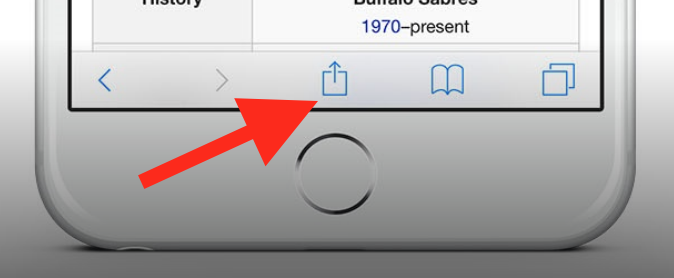
Then click on "Add to Home"
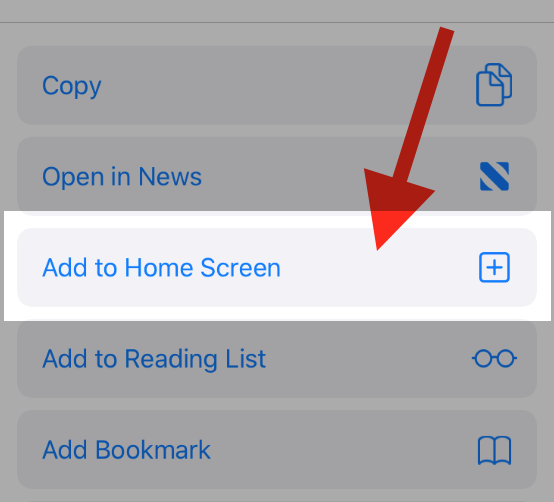
To add this web app to your homescreen, click on the "Share" icon
Then click on "Add to Home"
It looks like your browser doesn't natively support "Add To Homescreen", or you have disabled it (or maybe you have already added this web app to your applications?)
In any case, please check your browser options and information, thanks!
It looks like your browser doesn't natively support "Add To Homescreen", or you have disabled it (or maybe you have already added this web app to your applications?)
In any case, please check your browser options and information, thanks!