Living in Nassau, Bahamas: The Real Expat Guide
Schools, healthcare, safety, neighborhoods, groceries, daily costs — everything you need to know about life in Nassau before buying property.
By Glenn Ferguson • 24+ Years Living & Working in Nassau • Updated March 2026

View Glenn's Full Credentials →


The Bottom Line
Nassau offers an exceptional lifestyle — but it's not for everyone. Gorgeous weather, world-class beaches, zero income tax, five excellent international schools. But groceries cost 40–60% more, electricity is expensive, and island pace takes adjustment. Expats who thrive here embrace the differences, choose the right neighborhood, and build a local network. I've helped hundreds of international buyers make this transition over 24 years.
Safety: The #1 Question Expats Ask
Gated communities (Albany, Lyford Cay, Old Fort Bay, Palm Cay, Sandyport) — 24/7 security, virtually zero violent crime. This is where most expat families live.
2025 crime data: Murders fell 31% (83 vs 120 in 2024), the largest percentage decrease since RBPF tracking began in 1963. Major crimes fell 15%. Armed robberies dropped 39%. These improvements directly benefit property values and rental demand across Nassau.
Tourist areas (Cable Beach, Paradise Island) — well-patrolled, safe with standard precautions.
Family Islands (Harbour Island, Exuma, Eleuthera) — exceptionally safe, comparable to small-town America.
Glenn's Honest Take
I've lived here 24+ years and feel safe. But I live in a gated community and take normal precautions. If you're coming from Miami or London, Nassau won't surprise you. From a small rural town, the adjustment is bigger. Choose your neighborhood carefully — and I can help you find the right one for your family's needs.
Best Neighborhoods for Expats
Your choice of neighborhood matters more than almost any other decision. Here are the gated communities where most expat families live, with approximate entry-level property prices.
Albany
Ultra-luxury. Golf, marina, Windsor School on-site. Celebrity residents.
Lyford Cay
Old-money prestige. LCIS school within gates. Most exclusive address.
Old Fort Bay
Family-friendly. Beach club, restaurants. Strong expat community.
Sandyport
Best value. Marina, shops, near schools. Most recommended for families.
Palm Cay
East-side marina community. Modern builds. Growing expat presence.
Cable Beach
Beachfront condos near Baha Mar. Good for part-time residents.
Families with school-age children: Sandyport and the western corridor offer the shortest commutes to LCIS, St Andrew's, King's College, and Windsor. Traffic from eastern communities (Palm Cay, Treasure Cove) to western schools can take 45–60 minutes at rush hour.
Schools for Expat Families
Nassau has five schools that most expat families consider. All offer internationally recognized curricula. Tuition is in BSD/USD (pegged 1:1).
Lyford Cay International School
The only school in The Bahamas offering all four IB programmes (PYP, MYP, DP, CP). Accredited by CIS and NEASC. Strong university placement — 100% of graduates accepted to first or second choice. Two campuses on 23.5 acres. Apply early — waiting lists common. About 350 students, 41 nationalities.
St Andrew's International School
Founded 1948. First Bahamas school authorized for IB PYP and Diploma. IGCSE in Grades 9–10, IB Diploma in Grades 11–12. About 400 students, 35-acre campus. Strong UK/US/Canadian university placement. Good range of extracurriculars and sports.
King's College School New 2023
Part of the Inspired Education Group (120+ schools worldwide). Purpose-built campus on Western Road with $85M+ investment. Cambridge International, IB Diploma, and A-level tracks. Boarding available at King's Beach Lodge (opened 2025). Premium sports and arts facilities, VR labs, specialist coaching for top university placement.
Windsor School Boarding
Two campuses: Lower School at Old Fort (Pre-Reception through Grade 5) and Upper School at Albany (Grades 6–12 with boarding). Cambridge curriculum with elite golf and tennis academies (Lleyton Hewitt-supported). Strong marine science, STEM, and music programs. NEASC accredited 2025.
Queen's College
Established, strong academics at accessible tuition. Operates under the Bahamas Conference of the Methodist Church. Good for families wanting deeper local community integration. Payment plans available.
Glenn's School Advice
Research schools before you choose a neighborhood — the commute matters. Families at Albany gravitate to Windsor. Lyford Cay residents have LCIS inside the gates. Sandyport families are well-positioned for St Andrew's, King's College, and LCIS. I can connect you with school admissions contacts and help you coordinate property viewings around school visits.
Healthcare
Doctors Hospital: The only JCI-accredited private hospital in The Bahamas. 72 beds, 200+ physicians, 24/7 emergency room. Specialties include cardiovascular surgery, orthopedics, obstetrics, and imaging (MRI, CT). Located on Collins Avenue in Nassau.
Princess Margaret Hospital: Government-operated, 400+ bed public hospital for acute and trauma care.
Specialist care: Miami is 45 minutes by direct flight. Baptist Health, Jackson Memorial, and Cleveland Clinic Florida are all commonly used by Nassau expats for specialist procedures.
Insurance: Private insurance is essential. Individual plans run $200–$600/month; family plans $500–$1,500/month depending on coverage level. Look for plans with US network access and medical evacuation coverage — worth every dollar.
Cost of Living: Nassau vs. US
| Item | Nassau | US | Diff. |
|---|---|---|---|
| Gallon of milk | $7–$9 | $4–$5 | +75% |
| Dozen eggs | $5–$7 | $3–$5 | +50% |
| Restaurant (2 ppl) | $80–$140 | $60–$100 | +30% |
| Gasoline/gal | $5.50–$6.50 | $3–$4 | +70% |
| Electricity/mo | $300–$500 | $150–$250 | +100% |
| Internet (fiber) | $100–$150 | $60–$100 | +50% |
| Income tax | 0% | 22–37% | Massive savings |
| Capital gains | 0% | 15–20% | Massive savings |
| Property tax ($1M) | ~$7,500/yr | $10K–$25K | -30–70% |
Tourism context: The Bahamas welcomed a record 12.5 million visitors in 2025. Nassau short-term rental ADR reached $510.80 (AirDNA/CBOB August 2025). This tourism demand supports rental income for property investors.
Monthly budgets (excluding housing): Single $4K–$7K. Family of four $8K–$15K. Luxury $15K–$30K+.
Property buying costs: Total buyer-side closing costs run approximately 8-11% of purchase price. VAT on conveyance 5% buyer share (10% total, typically split 50/50). Legal fees 2.5-3.5% plus 10% VAT on professional services. Title insurance 0.5-1% (optional). Use the Closing Cost Calculator for a personalised estimate.
Property tax rates: Owner-occupied: first $300K exempt, 0.625% on $300K-$500K, 1% above $500K. Non-owner-occupied: 1% on first $500K, 2% above $500K. Annual cap $150,000 (RPT Amendment Act No. 43 of 2025). Use the Property Tax Calculator.
The tax math: A US-based earner making $500K/year pays roughly $150K–$180K in federal + state income tax. In The Bahamas: $0. Even with higher grocery and utility costs, most high earners save six figures annually.
Daily Life
Groceries: Super Value, Solomon's Fresh Market, Phil's Food Fair. Many expats do bulk Costco runs to Miami via freight forwarder (companies like Mailboat or Ambassador Freight handle this regularly).
Transportation: You need a car. Driving on the left. New cars cost 60–80% more than the US due to import duty (25–65% depending on value). Traffic is congested at rush hour, especially the east-west corridor. No Uber or Lyft — taxis only. Local app "Bahamas Ride" exists but isn't always reliable.
Internet: Fiber available at 100–200+ Mbps through ALIV and BTC. Adequate for remote work. Occasional outages — a UPS or generator is recommended for anyone working from home. Starlink is available as backup.
Climate: Summer 85–95°F, humid. Winter 70–82°F, perfect. Hurricane season June through November.
Island fever: It's real. Most expats fly to Miami or West Palm Beach two to three times per year for shopping, medical appointments, and a change of pace. Flights are 45 minutes and run multiple times daily.
Hurricane Preparedness
Hurricane season runs June to November, but most years Nassau avoids direct hits. When storms do threaten, here's what to know.
Building codes: New construction requires 140mph+ wind rating. Gated communities enforce strict standards. Concrete block construction (standard in The Bahamas) performs well.
Generators: Essential for any homeowner. Whole-house generators ($8K–$25K installed) are standard in luxury communities. Portable generators ($1K–$3K) are the minimum.
Insurance: Comprehensive property insurance covering hurricane, flood, fire, and theft is mandatory for mortgage holders and strongly recommended for all. Premiums run 1.5-3% of insured value annually.
Shutters: Accordion or roll-down hurricane shutters are standard on quality properties. Budget $5K–$15K to retrofit if not already installed.
Glenn's Take on Hurricanes
In 24+ years, I've weathered multiple hurricane seasons. The key is preparation, not panic. Quality construction in the right community makes all the difference. When I show properties, I always point out hurricane-readiness features — it's part of smart buying in The Bahamas.
Residency at a Glance
Home Owner's Resident Card (HORC): Any foreign property owner qualifies. Government fees: $200 processing + $500 issuance = $700 total. Renewable annually. Spouse and minor children included. Facilitates entry and stay. Does not include work rights or path to citizenship.
Economic Permanent Residency (EPR): Invest $1,000,000+ in residential real estate (threshold increased from $750K effective January 1, 2025). Government fee: $20,000. Dependent endorsement: $300/person. Hold period: 10 years minimum. Annual presence: 90 cumulative days in The Bahamas. $1.5M+ receives accelerated processing (~3 weeks). Does not include work rights. Grants lifetime residency status.
Remote work: Working remotely for a foreign employer is widely practiced and tolerated. Local employment requires a separate work permit.
For a complete breakdown including the application process and timeline, see our Bahamas Residency by Investment guide.
Frequently Asked Questions
What are the best gated communities for expat families?
Can I work if I buy property?
How far is Nassau from the US?
Is there Uber in Nassau?
Can I bring pets to The Bahamas?
What about electricity and power outages?
Do I need a Bahamian driver's license?
What about internet for remote work?
How do expats handle "island fever"?
Who should I call to buy a home in The Bahamas?
Ready to Explore Life in Nassau?
Glenn has helped hundreds of international buyers find the right property and neighborhood in Nassau over 24+ years. Free consultation, school introductions, and step-by-step relocation guidance — no pressure, no obligation.
Ask Glenn a Question WhatsApp GlennFree Bahamas Buyer Tools
Run your own numbers before your first call with Glenn.
Closing Cost Calculator
Full buyer-side estimate at any price point.
Property Tax Calculator
Owner and non-owner rates with $150K cap.
EPR Cost Calculator
Total EPR costs including closing + govt fees.
Residency Checker
Check your eligibility for Bahamas residency.
Relocation Cost Calculator
Estimate your total move-to-Bahamas costs.
Caribbean Tax Comparison
Bahamas vs Cayman vs TCI vs BVI vs Florida.
AI Property Finder • Residency Quiz • Mortgage Pre-Qualification
Related Guides
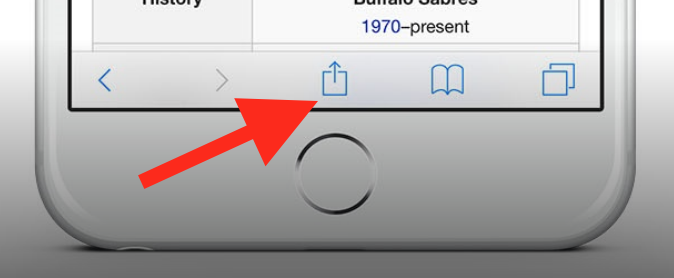
To add this web app to your homescreen, click on the "Share" icon
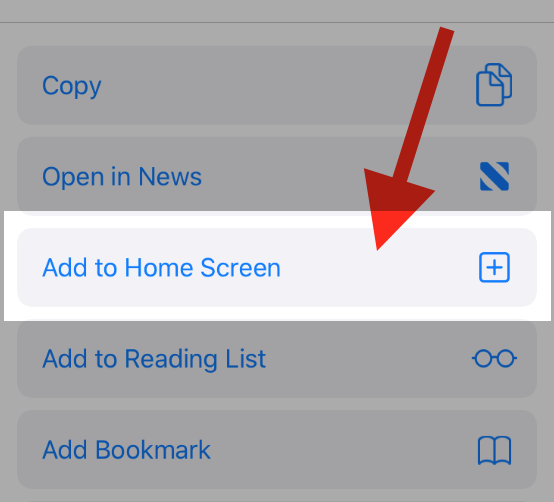
Then click on "Add to Home"
To add this web app to your homescreen, click on the "Share" icon
Then click on "Add to Home"
It looks like your browser doesn't natively support "Add To Homescreen", or you have disabled it (or maybe you have already added this web app to your applications?)
In any case, please check your browser options and information, thanks!
It looks like your browser doesn't natively support "Add To Homescreen", or you have disabled it (or maybe you have already added this web app to your applications?)
In any case, please check your browser options and information, thanks!