Bahamas Real Estate Market Snapshot
The Bahamas luxury market outperformed the global average in 2024 and luxury sales volume surged 68% in 2025. Here are the numbers that matter for buyers entering the market now.
Prime residential price growth of 5.1% exceeded both the Knight Frank global average (3.6%) and the 3.7% average across leading “sun” destinations. Inventory remains approximately 20% below prior-year levels, creating a supply-constrained environment where well-priced properties move quickly. The average daily rate for entire-place short-term rentals reached $510.80 — up 11.8% year-on-year — underscoring the strength of vacation rental demand. Sources: Knight Frank Wealth Report 2025, Global Property Guide 2025, Central Bank of The Bahamas / AirDNA August 2025.
Which Neighborhood Fits You Best?
Every community has its own character, price range, and buyer profile. Glenn knows every street in these communities and can match you to the right one based on your budget, lifestyle, and whether you’re buying for personal use, rental income, or residency.
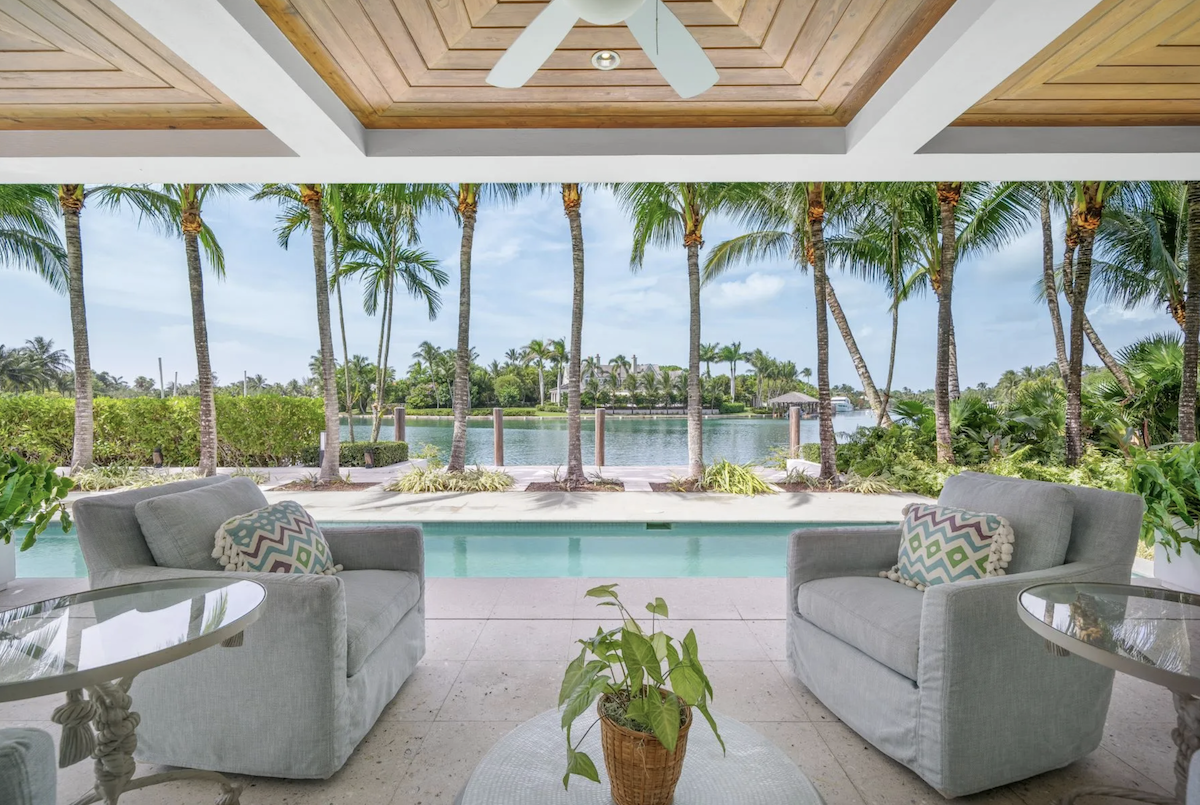
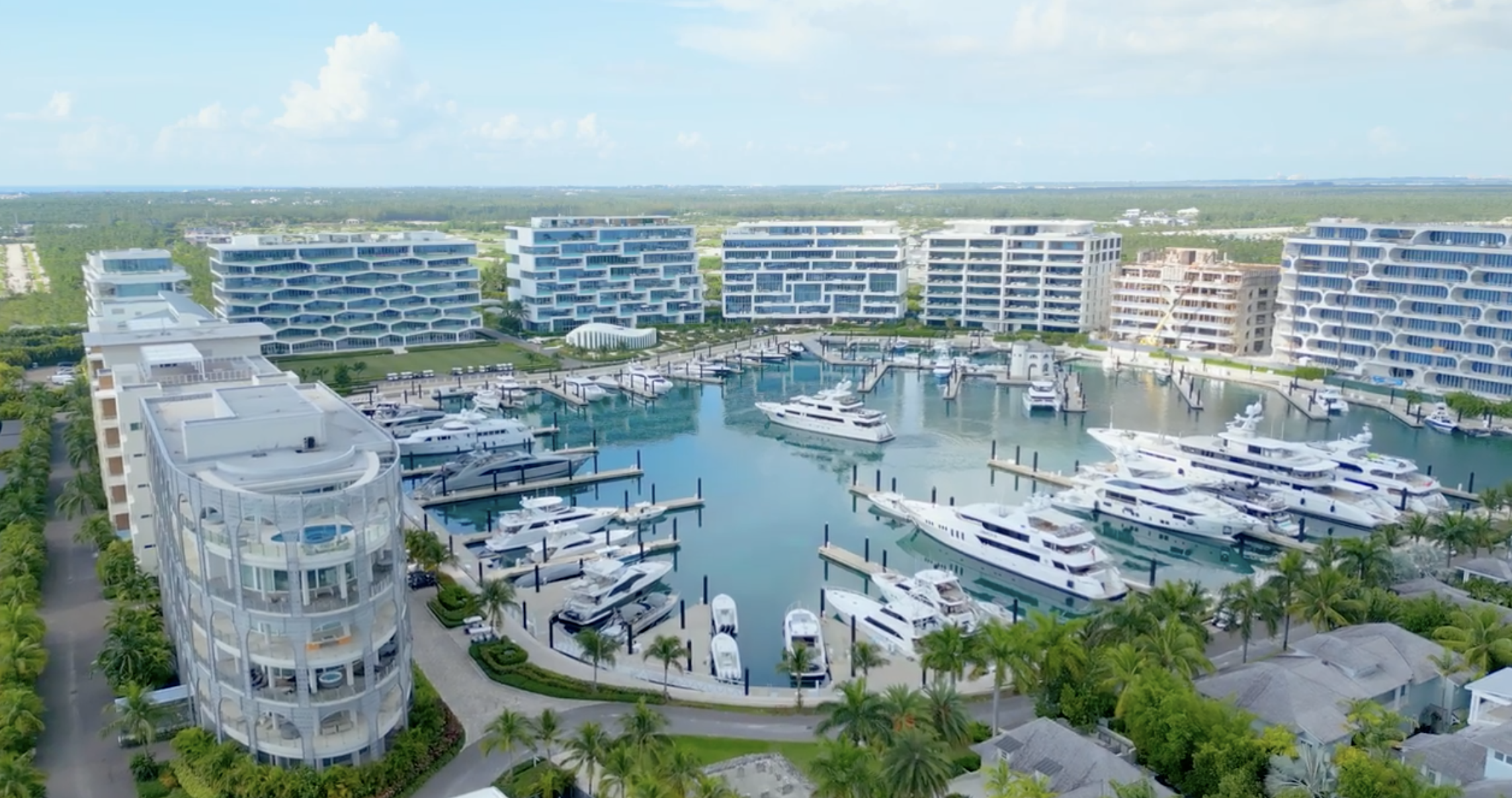
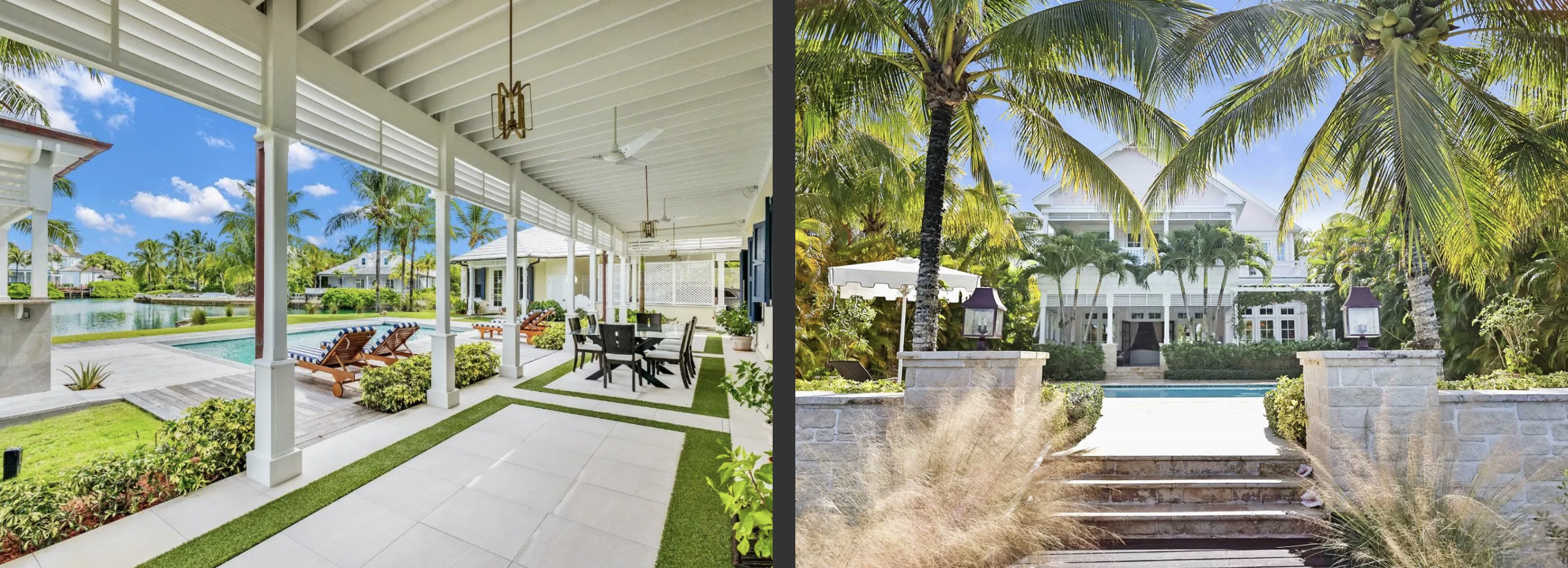
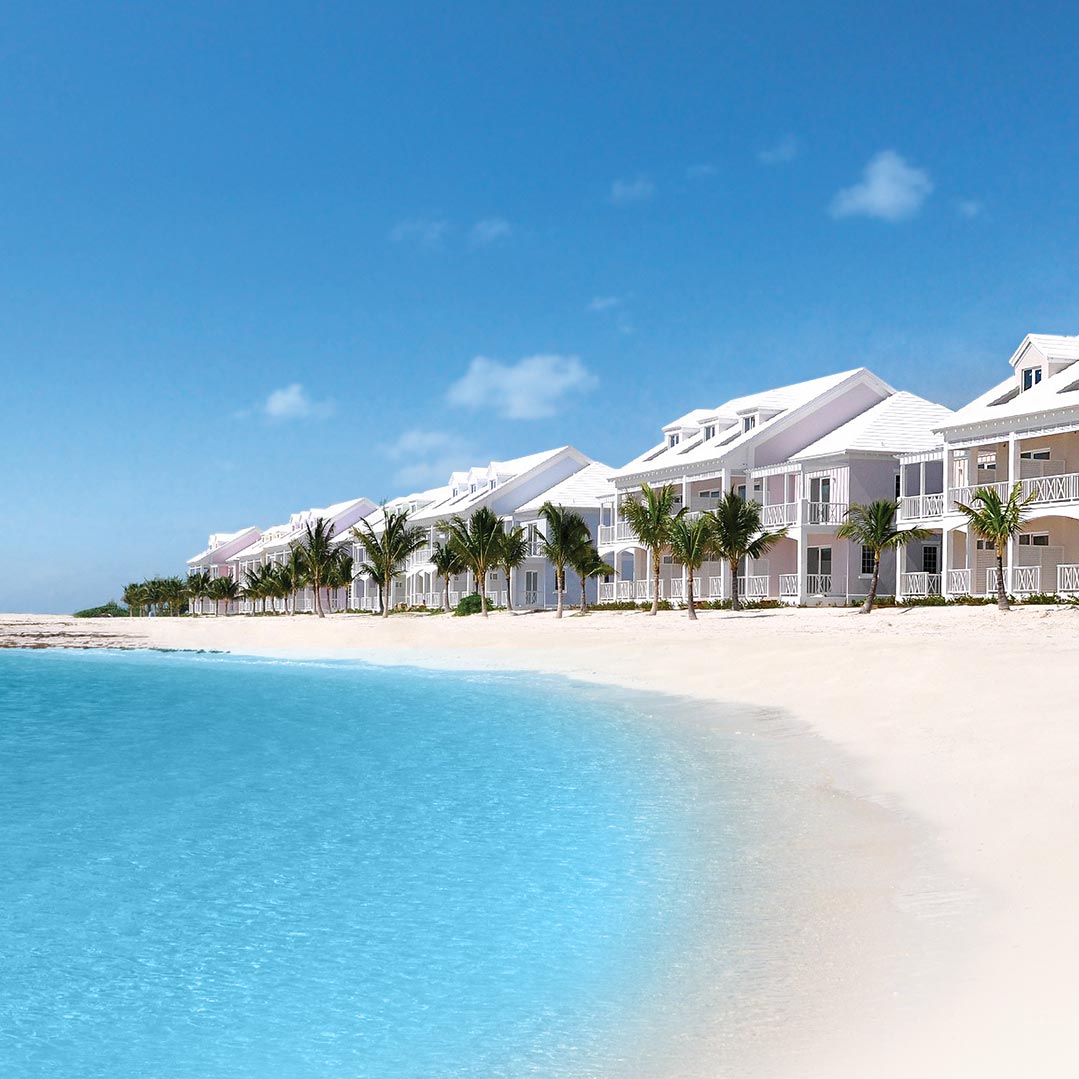

Not sure where to start? Tell Glenn your budget and goals and he’ll recommend the community that fits. Read more: All Bahamas Listings · Luxury Homes · Beachfront · Condos · Vacation Homes · Private Islands · Land & Lots
Step-by-step processHow to Buy a Home in Nassau, Bahamas
The Bahamas is one of the most welcoming Caribbean nations for foreign property buyers. Unlike many island jurisdictions, there are no foreign ownership caps on residential real estate. American, Canadian, British, and international buyers acquire freehold title — the same permanent ownership rights as Bahamian citizens.
Purchases of developed residential property under 2 acres require only registration with the Bahamas Investment Authority (BIA) — no government permit. Undeveloped land over 5 acres, commercial properties, and properties in certain designated areas may require a BIA permit under the International Persons Landholding Act (IPLA) 1993. Glenn coordinates with your Bahamian attorney to handle all compliance.
Engage Glenn as Your Agent
Define your budget, lifestyle goals, preferred islands, and whether you’re buying for personal use, rental income, or residency. Glenn provides a tailored shortlist within 48 hours.
Tour Properties
In-person viewings or virtual video walkthroughs. Glenn provides comparable sale prices (not just asking prices), days-on-market data, and neighbourhood-specific context for every property.
Make an Offer
Submit with standard contingencies for inspection, financing (if applicable), and condo documents where relevant. Typical deposit: 10% held in the vendor’s attorney escrow account.
Hire a Bahamian Attorney
Required by law. Attorney handles title search, contract preparation, and closing. Fees: 2.5–3.5% of purchase price (Bar Association minimum 3.5% for registered land since January 2026).
Due Diligence & BIA Registration
Title search (Registry of Records, Supreme Court, Companies Registry, Probate Registry), property inspection, survey, HOA review. Register with BIA for foreign buyer clearance.
Obtain VAT Invoice & Close
Under the Conveyancing Amendment Act 2025, the VAT invoice from the Comptroller of Inland Revenue must be obtained and settled before deed execution. Pay VAT on conveyance (10%, commonly split with seller), register the conveyance, and receive title.
Post-Closing & Residency
File Declaration of Real Property with the Department of Inland Revenue. If your purchase is $1M+, Glenn files your Economic Permanent Residency application simultaneously — no separate firm needed.
Read the complete guide: Buying Real Estate in The Bahamas · Foreign Buyer’s Guide · Buyer’s Toolkit · Closing Cost Calculator · Complete Cost Guide · Moving from the US · Best Caribbean Island
Bahamas Property Taxes & Caribbean Comparison
The Bahamas has no income tax, no capital gains tax, no inheritance tax, and no wealth tax — making it the most tax-friendly property jurisdiction in the Caribbean. Annual real property tax is assessed on a graduated scale with a hard cap of $150,000 per year (Real Property Tax Amendment Act 2023).
Annual Property Tax Rates
| Assessed Value | Owner-Occupied Rate | Non-Owner-Occupied Rate |
|---|---|---|
| First $300,000 | Exempt | 1.0% |
| $300,001 – $500,000 | 0.625% | 1.0% |
| Above $500,000 | 1.0% | 2.0% |
| Annual cap | $150,000/yr | $150,000/yr |
Owner-occupied: first $300,000 exempt, 0.625% $300K-$500K, 1% above $500K, cap $150K/yr. Non-owner: 1% first $500K, 2% above $500K, cap $150K/yr. Source: Real Property Tax Act as amended 2023, Department of Inland Revenue.
How The Bahamas Compares to Other Caribbean Destinations
| Jurisdiction | Transfer Tax | Income Tax | CGT | Inheritance Tax | Annual Property Tax |
|---|---|---|---|---|---|
| Bahamas | 10% VAT (split) | 0% | 0% | 0% | 0–1% |
| Turks & Caicos | 6.5–10% | 0% | 0% | 0% | None |
| Cayman Islands | 7.5–10% | 0% | 0% | 0% | None |
| BVI | 12% (non-Belonger) | 0% | 0% | 0% | Varies |
| Bermuda | Varies | 0% (payroll tax) | 0% | 5–20% | Progressive |
| Barbados | 2.5% | 12.5–28.5% | 0% | 0% | 0.1–0.75% |
Rates shown for foreign buyers. The Bahamas is the only zero-income-tax Caribbean jurisdiction offering both freehold ownership and permanent residency through property investment. Source: Legal 500, Chambers Real Estate 2025, jurisdictional tax authorities.
Use the Bahamas Property Tax Calculator to estimate your annual obligation, or read the complete 2026 tax guide.
Permanent residency through investmentBahamas Residency by Real Estate Investment
Glenn Ferguson structures every qualifying purchase with residency in mind — ensuring your property title, ownership structure, and documentation meet current Department of Immigration requirements from day one. He files the EPR application alongside your property closing, eliminating the need for a separate immigration firm.
The EPR threshold increased from $750,000 to $1,000,000 on 1 January 2025. Standard EPR ($20,000 fee) grants residency without work rights. EPR does not include work rights. Spouse and dependent children under 18 are included on the application ($300 per dependent).
Country-specific guides: American Buyers · British Buyers · Canadian Buyers · Indian Buyers · Full Residency Guide · Eligibility Check
Ready to Start Your Bahamas Property Search?
Tell Glenn your budget, preferred island, and goals. He’ll send a personalised shortlist within 48 hours — including off-market properties and pre-construction opportunities.
Rental Income & Investment Potential
The Bahamas welcomed a record 11.22 million visitors in 2024 (up 16.2% from 2023), and the short-term rental market has expanded from approximately 4,000 listings in 2018 to over 7,000 in 2024 (IMF). The average daily rate for entire-place rentals reached $510.80 — up 11.8% year-on-year (AirDNA/CBOB August 2025). Total room nights sold grew 7.8% in the same period.
Nightly Rental Rates by Area
| Area | Nightly Rate Range | Best For |
|---|---|---|
| Cable Beach / Baha Mar Branded | $400 – $1,200 | Highest yield, resort amenities |
| Exuma | ~$750 | Ultra-luxury, privacy |
| Eleuthera / Harbour Island | $450 – $800 | Boutique travellers, surf |
| Nassau Condos | $150 – $400 | Volume play, consistent demand |
| Paradise Island | $300 – $1,500 | Four Seasons proximity |
A Bahamas vacation rental business licence is required. Rental income is not taxed by the Bahamian government. Budget for property management (20–30% of gross income), insurance (1.5–3% of insured value), and HOA fees where applicable. Glenn provides property-specific pro-formas with seasonal occupancy adjustments — not generic island averages.
Read more: Rental Income Guide
Live MLS feedBrowse Current Nassau Bahamas Listings
Glenn knows the history, comparable sales, and negotiation leverage for every listing below. Before you browse, know that the best properties often sell before they reach the MLS.
Found Something Interesting?
Glenn confirms availability, provides actual closed sale prices for comparable properties, and shares off-market alternatives you won’t find on any listing portal.
 Your Bahamas expert
Why Buy Through Glenn Ferguson?
Glenn isn’t a listing portal. He’s a 24-year veteran of the Bahamas luxury market who handles everything from property search to closing to residency. Full MLS access plus off-market inventory, comparable sales data, and the ability to file your EPR application without a separate firm.
After 24 years of helping international buyers navigate Bahamas real estate, I can tell you the three things that matter most: knowing your exact closing costs (8-11% buyer-side, not the "2-3%" some blogs claim), understanding the difference between owner-occupied and non-owner property tax rates before you buy, and registering with Exchange Control at closing so you can repatriate your proceeds when you sell. Every client of mine gets a line-item cost projection and a residency assessment before they make an offer. That is non-negotiable — because the numbers need to work before you fall in love with the view.
Glenn Ferguson — BREA Licensed Real Estate Agent #1247 / Bahamas MLS Member / Residency Consultant / 24+ Years All Islands

Bahamas MLS Member · Residency Consultant · 24+ Years


Off-market access. Many luxury properties in The Bahamas sell before they ever hit the MLS. Glenn has relationships across Lyford Cay, Ocean Club, Albany, Old Fort Bay, and the Family Islands that surface these opportunities first.
Comparable sales data. Online listings show asking prices. Glenn provides actual closed sale prices, price-per-square-foot trends, and days-on-market data that lets you negotiate from a position of knowledge.
Full-service from search to residency. Glenn finds the property, negotiates your purchase, coordinates with Bahamian attorneys, and files your EPR application if applicable. One relationship replaces what typically requires three separate firms.
Rental income projections. For investment buyers, Glenn provides property-specific pro-formas factoring in actual nightly rates, seasonal occupancy, management fees, and operating costs — not generic island averages.
Three Services, One Expert
Luxury Real Estate
Homes, condos, beachfront estates, and private islands across Nassau, Paradise Island, and the Out Islands. Live MLS access and off-market listings.
Browse All ListingsResidency Consulting
Navigate Bahamas permanent residency through property investment. From qualifying purchases to immigration applications, Glenn handles every detail.
Residency GuideDestination Weddings
WPIC-Certified planner and Licensed Marriage Officer with 24+ years of Bahamas wedding expertise. From intimate elopements to luxury celebrations.
Wedding PlanningRead more: About Glenn Ferguson · Complete Buying Guide · 2026 Market Report
Frequently asked questionsBuying Property in The Bahamas
Answers to the questions international buyers ask most, based on Glenn’s 24+ years advising foreign purchasers across every island.
The Bahamas combines zero income tax, zero capital gains tax, and zero inheritance tax with freehold ownership rights for foreign buyers, proximity to the US (under 3 hours from Miami), a stable English common-law legal system, and the US dollar peg that eliminates currency risk. Property purchases of $1M+ also qualify for permanent residency. These advantages have made The Bahamas the top Caribbean destination for high-net-worth property buyers — half of wealthy expats are now permanent residents, up from 20% before the pandemic (Knight Frank 2025).
Nassau’s median home price is approximately $495,000 (mid-2025). Entry-level condos start around $200,000–$350,000. Mid-range homes in gated communities run $500,000–$1.5 million. Luxury beachfront estates in Ocean Club Estates, Lyford Cay, and Albany range from $2 million to $50 million+. Budget an additional 810–14% for buyer-sidendash;11% for buyer-side closing costs. See the full cost breakdown in the buying guide.
The Bahamas is the only Caribbean jurisdiction combining zero income/CGT/IHT, freehold ownership (not leasehold), permanent residency through property investment, and a 1:1 US dollar peg. Turks & Caicos charges 6.5–10% stamp duty; Cayman charges 7.5–10%; Barbados levies income tax up to 28.5%. The Bahamas also has the deepest luxury resale market in the Caribbean and the strongest tourism pipeline (11.22 million visitors in 2024). See the full Caribbean tax comparison.
Prime residential prices grew 5.1% in 2024 (Knight Frank), exceeding the global average of 3.6%. Luxury sales volume increased 68% in 2025. The average daily rate for short-term rentals reached $510.80, up 11.8% year-on-year (AirDNA/CBOB August 2025). Inventory remains approximately 20% below prior-year levels, creating a supply-constrained environment. Read the full 2026 market report.
Zero income tax, zero capital gains tax, zero inheritance tax, zero wealth tax. Annual property tax runs 0–1% of assessed value, capped at $150,000/year. Rental income is not taxed. VAT on conveyance (10%) is a one-time cost at purchase, commonly split between buyer and seller. See the complete 2026 tax guide.
Foreign nationals who purchase real estate valued at $1,000,000 or more qualify for Economic Permanent Residency (EPR). Government fee: $20,000 (standard) or $25,000 (with work rights). The threshold increased from $750,000 to $1,000,000 on 1 January 2025. Glenn files EPR applications alongside property closings. Full residency guide.
Yes. Glenn provides virtual video walkthroughs, drone footage, and detailed photo packages for international buyers who cannot travel immediately. He also shares comparable sale prices, neighbourhood context, and condition assessments by video call. Most buyers narrow their shortlist remotely and then tour 5–8 finalists in a single trip. Request a virtual tour on WhatsApp.
The Bahamas MLS includes luxury waterfront homes, beachfront villas, condominiums, townhouses, vacant land, commercial property, and private islands. Prices range from under $200K for entry-level condos to $100M+ for developed private islands. Glenn also has access to off-market listings, pre-construction opportunities, and bank foreclosures. Browse all listings.
Yes. The Bahamas has a stable parliamentary democracy, an independent judiciary based on English common law, and strong property rights protections. Foreign buyers receive the same freehold title as Bahamian citizens. The Bahamian dollar is pegged 1:1 to the US dollar, eliminating currency risk. Title searches are conducted across multiple registries to confirm clear ownership. Glenn coordinates with trusted Bahamian attorneys on every transaction.
Typical timeline: 60–90 days from accepted offer to closing. Cash purchases can close faster. Key steps include attorney engagement, title search, BIA registration, and obtaining the VAT invoice from the Comptroller (required before deed execution under the Conveyancing Amendment Act 2025). See the step-by-step buying process.
Contact Glenn Ferguson. He’ll ask about your budget, preferred islands, goals (personal use, rental income, or residency), and timeline. Within 48 hours you’ll receive a personalised property shortlist including off-market opportunities. From there, Glenn coordinates viewings, comparable sales data, and the entire purchase process. Start on WhatsApp or call 1-242-395-8495.
Online portals show asking prices, not actual sale prices. A licensed local agent like Glenn Ferguson (BREA) provides comparable closed sale data, off-market access to properties that never appear on portals, negotiation leverage from 24+ years of market knowledge, and the ability to coordinate attorneys, inspections, BIA registration, and EPR residency filing in one relationship. The seller pays the commission — there is no cost to you as the buyer. Learn more about Glenn.
Ready to Find Your Bahamas Home?
Tell Glenn your budget, preferred island, and lifestyle goals. He’ll send a personalised shortlist of properties matched to your criteria — including off-market listings and pre-construction opportunities not available on the MLS.